
products
‹
›
‹
›
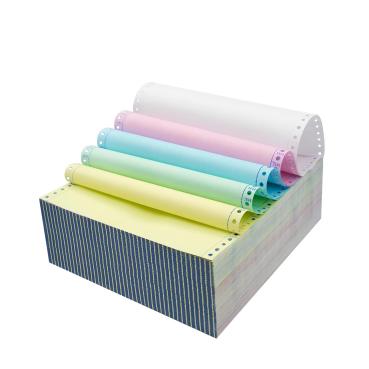
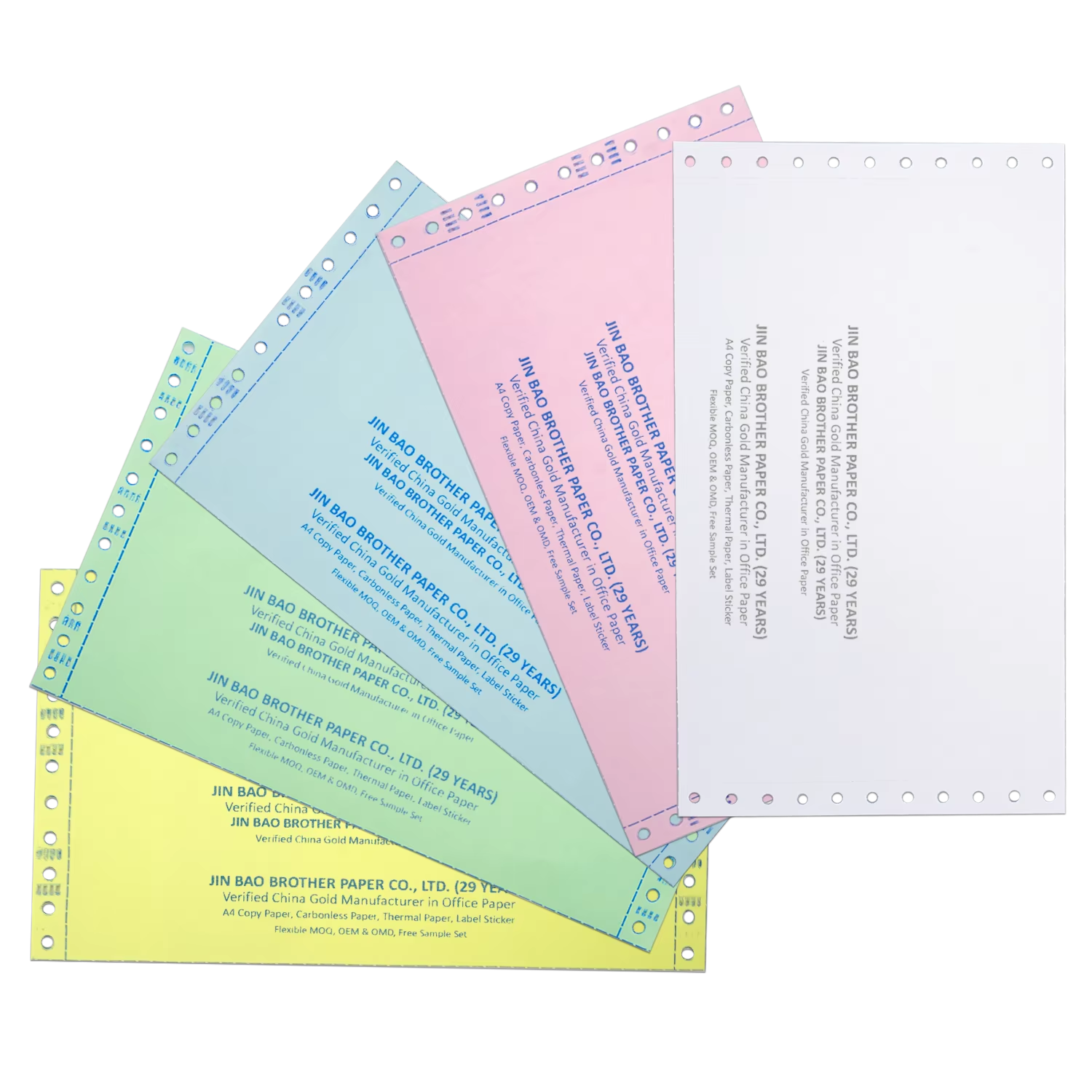
Carbonless copying provides an alternative to the use of carbon copying. Carbonless copy paper has micro-encapsulated dye or ink on the back side of the top sheet, and a clay coating on the front side of the bottom sheet. When pressure is applied (from writing or impact printing), the dye capsules rupture and react with the clay to duplicate the markings made to the top sheet. Intermediary sheets, with clay on the front and dye capsules on the back, can be used to create multiple copies; this may be referred to as multipart stationery.
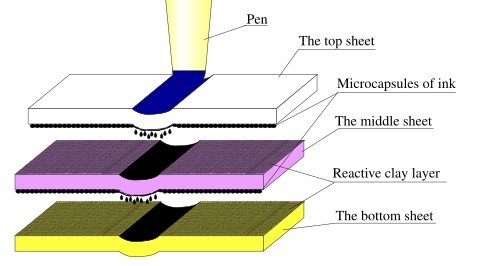
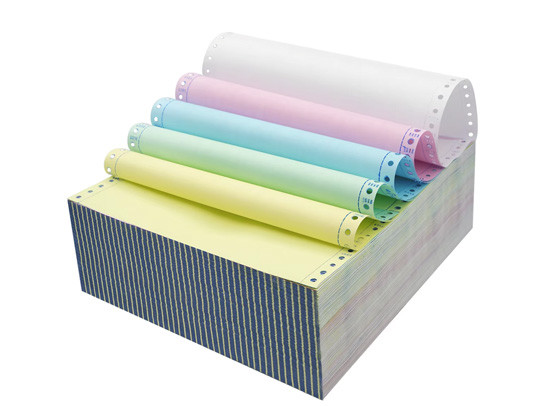
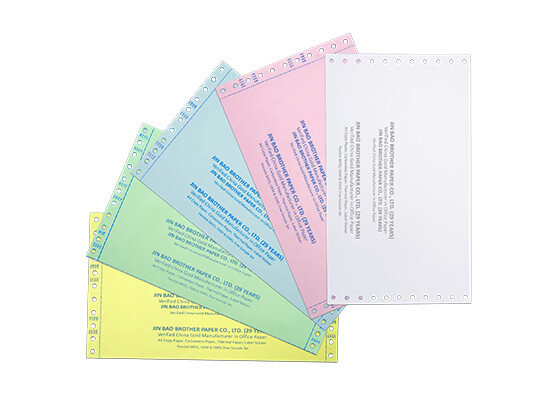
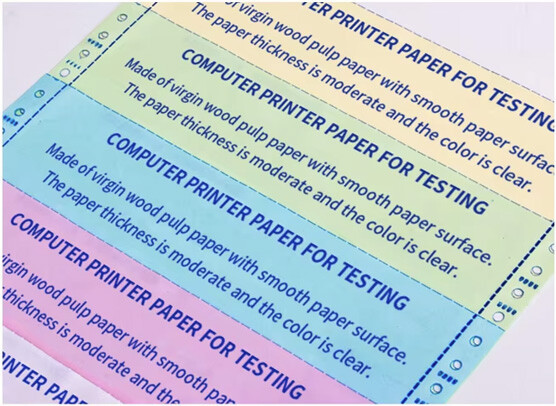

It relies on a "microcapsule chemical reaction" — the back has microcapsules with colorless dyes (color-forming layer), and the front has acidic color developers (color-receiving layer). Pressure breaks microcapsules, and dyes react with developers to show visible colors, no extra carbon paper needed.
No, just use by purpose:
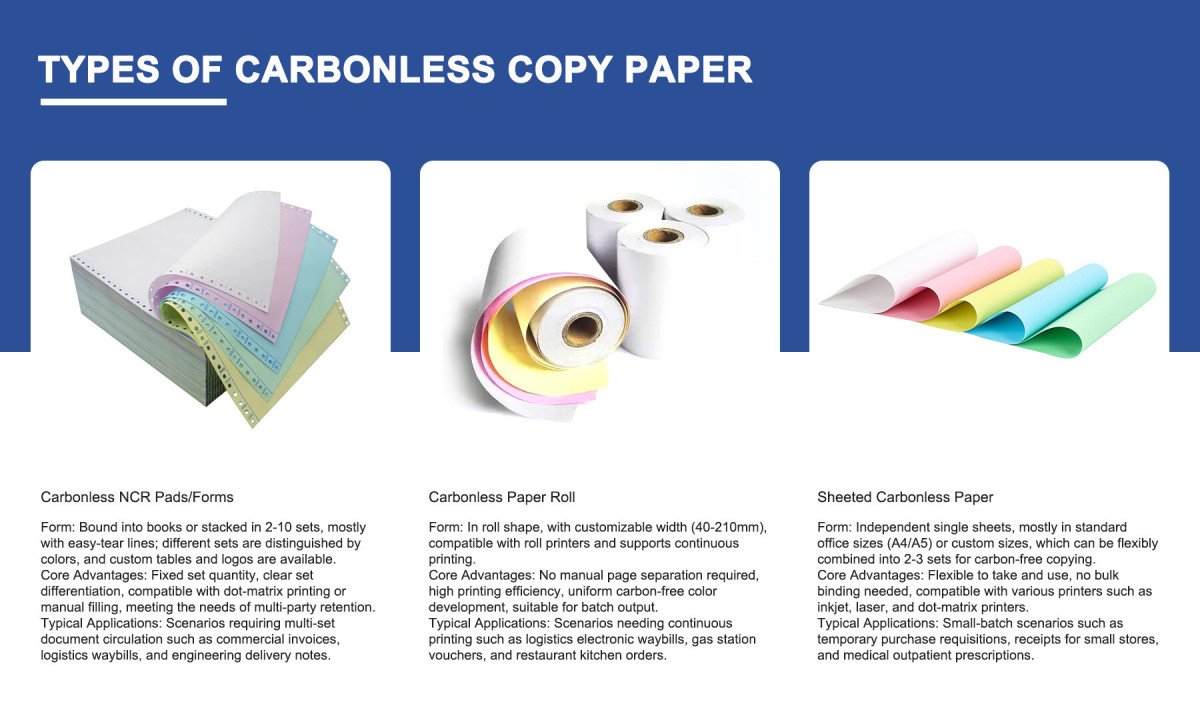
Rolls/sheets: Stack "color-forming layer paper" and "color-receiving layer paper" for printer pressure-triggered copying.
NCR pads/forms: Pre-stacked at factory (e.g., 2-ply: color-forming top, color-receiving bottom); write or use dot-matrix printers directly.
3 main reasons:
① Insufficient pressure (light writing/printer pressure → incomplete microcapsule rupture).
② Uneven coating (poor-quality paper → uneven dye/developer distribution).
③ Improper storage (high temp >35℃/humidity >80% → deactivated microcapsules/developers).
Under normal conditions (15-30℃, 40%-60% humidity), text stays stable for 3-5 years. High temp/humidity/strong light may cause fading; store important docs in sealed cabinets.
No, match printer type:
① Compatible with dot-matrix (sufficient pressure for NCR pads/sheets) and roll printers (for carbonless rolls).
② Inkjet/laser printers only print single sheets, no copying (insufficient pressure).
Mainly for distinguishing ply purposes (e.g., white for customers, pink for retention). Same coating formula for all colors (no effect on copying); custom colors (e.g., light green for medical use) available.
Ordinary BPA-free carbonless paper is "recyclable waste". Medical-scene waste (with medical contamination) follows medical waste rules. Prioritize paper meeting EU REACH/US FDA standards for better
Request A Quote?
Related Suggestion
 High Quality Wholesale CB CFB CF Carbonized 2ply 3ply Multi-ply Continuous Carbonless Copy Paper for Office Invoice Paper
 paper") Carbonless(NCR) paper
Carbonless(NCR) paper 3 Layers Impression Continuous Printer Paper Wholesale 3 Ply Roll Invoice Book Carbonless Ncr Paper Form With Cheaper Price
 Cheap CB CFB CF 3-Ply NCR Computer Form Paper NCR 2 Ply Continuous Carbonless Printing Paper 4 Ply NCR Carbon-less Paper Paper
First class quality service and professional after-sales team.
In order to provide you the suitable machine , pls offer below message for us
Get in Touch
We respect your confidentiality and all information are protected.